Omega Watch Serial Numbers Explained: How to Identify Your Omega’s Production Date and Authenticity
Omega watches are renowned for their precision, craftsmanship, and rich history. Whether you're a seasoned collector, a first-time buyer, or considering a pre-owned Omega, understanding serial numbers is an essential part of the ownership experience.
An Omega serial number can reveal valuable information about a watch's production period and help verify an Omega watch's authenticity. In this guide, we'll explain what Omega serial numbers are, where to find them, and how they can help you make informed buying decisions.
What Is an Omega Serial Number?
An Omega serial number is a unique identification number assigned to a watch during production. Think of it as the watch's fingerprint. No two genuine Omega watches share the same serial number.
Over the years, Omega has used serial numbers to track production and maintain quality control. Today, collectors and enthusiasts use these numbers to estimate manufacturing dates and verify whether a watch is consistent with its stated age.
Why Do Omega Serial Numbers Matter?
Serial numbers serve several important purposes:
- Help determine the approximate production year of the watch
- Assist in authenticating a timepiece
- Support insurance and ownership records
- Provide confidence when buying or selling a pre-owned Omega
- Help collectors verify originality and historical accuracy
For vintage Omega watches especially, serial numbers can significantly impact collectibility and value.
Where to Find an Omega Serial Number?
The location of the serial number depends on the watch's age and model.
Modern Omega Watches
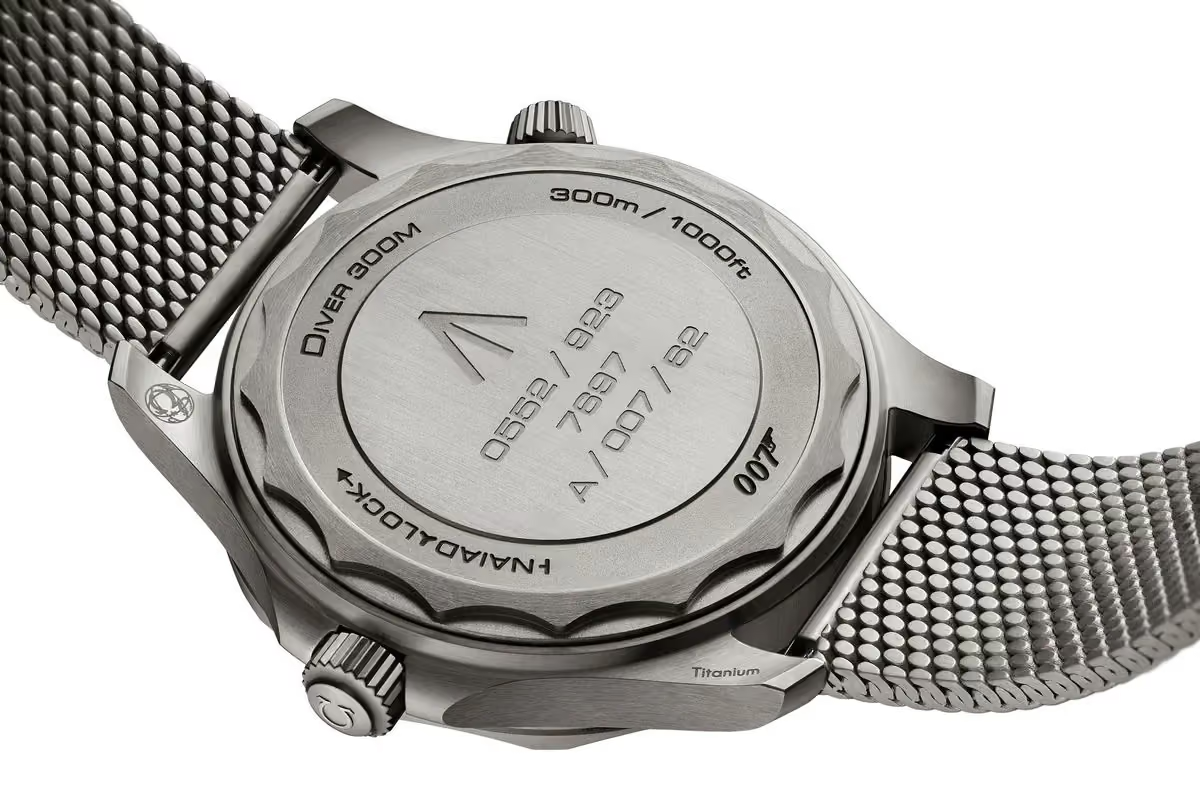
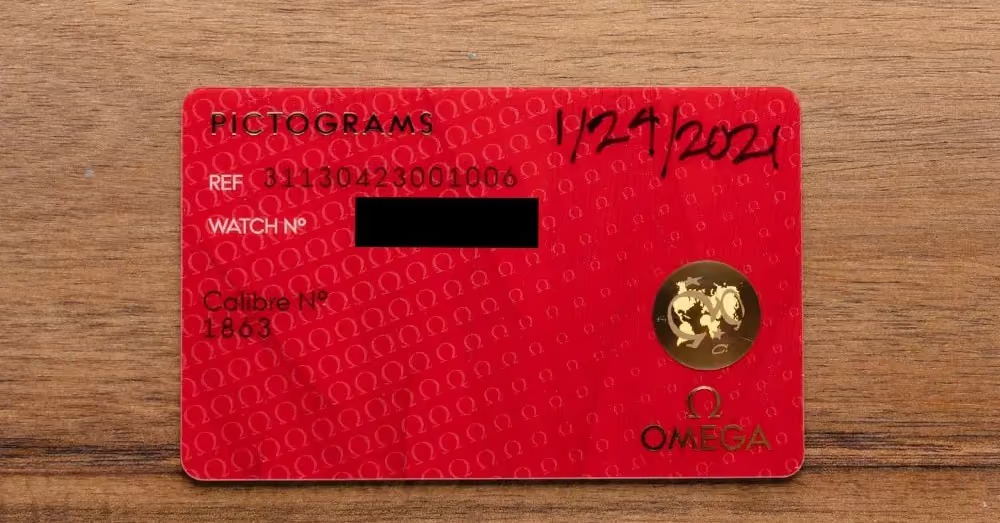
On newer Omega models, the serial number is typically laser-engraved on one of the watch lugs, often hidden behind the bracelet. The number may also appear on the warranty card and accompanying paperwork.
Vintage Omega Watches
Older Omega watches often have the serial number engraved directly on the movement. To access it, a watchmaker must carefully open the case back.
Some vintage models may also have reference numbers inside the case back, which can help identify the specific model.
How to Use an Omega Serial Number to Estimate Production Date?
Omega serial numbers generally increase sequentially over time. Collectors and watch experts have developed reference charts that correlate serial number ranges with approximate production years.
For example:
- 20 million range: Late 1960s
- 30 million range: Early 1970s
- 40 million range: Late 1970s to early 1980s
- 60 million range: Mid-1990s
- 80 million range: Early 2000s
It's important to note that these estimates are not exact. Production and assembly dates can vary, and some watches may have been sold years after manufacture.
For the most accurate dating information, Omega offers an Extract from the Archives service for eligible vintage watches.
Can a Serial Number Verify Authenticity?
A serial number is an important authentication tool, but it should never be the only factor used to determine whether a watch is genuine.
When evaluating an Omega watch, consider the following:
Check for Consistency
The serial number should align with the watch's model, movement type, and estimated production period.
Examine the Engraving Quality
Authentic Omega serial numbers are precisely engraved. Poorly executed engravings, uneven spacing, or signs of tampering can be red flags.
Compare Documentation
If the watch includes original papers, the serial number should match the number engraved on the watch.
Evaluate the Entire Watch
Authenticity depends on more than just the serial number. Dial details, movement components, case construction, and overall quality should all be consistent with genuine Omega production standards.
Common Mistakes Buyers Make
Many buyers assume that having a serial number automatically means a watch is authentic. Unfortunately, counterfeiters often copy or fabricate serial numbers.
Other common mistakes include:
- Relying solely on online serial number charts
- Ignoring mismatched components
- Overlooking signs of case or movement replacement
- Purchasing without professional verification
When investing in a luxury timepiece, expert evaluation is always recommended.
Serial Numbers and Vintage Omega Collecting
For vintage Omega enthusiasts, serial numbers are invaluable research tools. They help establish a watch's place in Omega's history and can often uncover fascinating details about its age and originality.
Collectors frequently use serial numbers to determine whether a watch's dial, hands, movement, and case are period-correct. This information can significantly affect market value.
The more complete and accurate a watch's history, the more desirable it often becomes to collectors.
Trust Big Moe Watches for Authentic Omega Timepieces
Buying a pre-owned Omega should be an exciting experience—not a stressful one. At Big Moe Watches, every Omega watch is carefully inspected and authenticated to ensure our customers receive genuine luxury timepieces they can purchase with confidence.
Whether you're searching for a vintage Omega, a modern Seamaster, or an iconic Speedmaster, our team is here to help you find the perfect watch. We take pride in offering expert guidance, transparent information, and a carefully curated selection of exceptional timepieces.
Browse our collection today or contact Big Moe Watches to learn more about our available Omega inventory and authentication process.